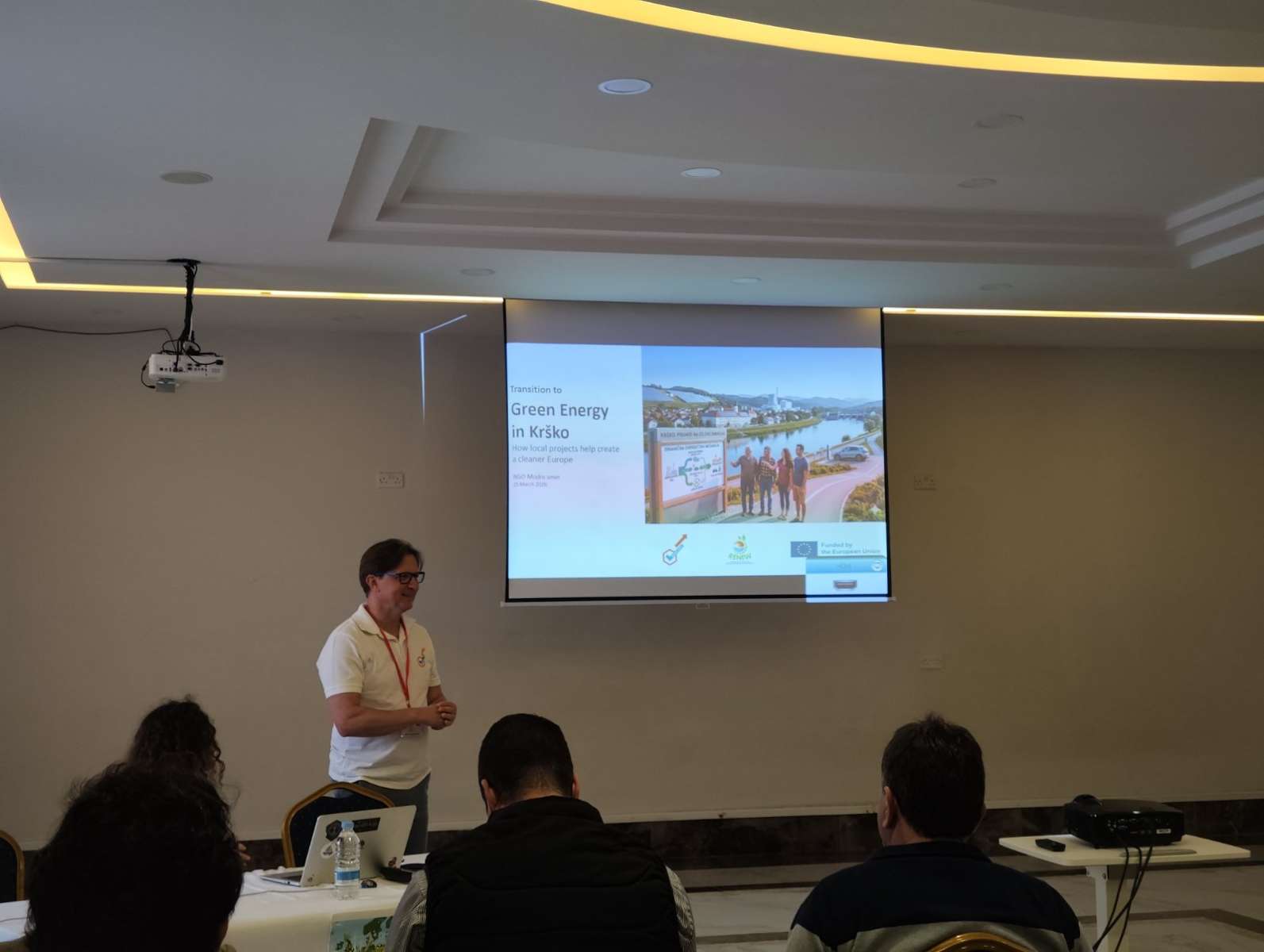
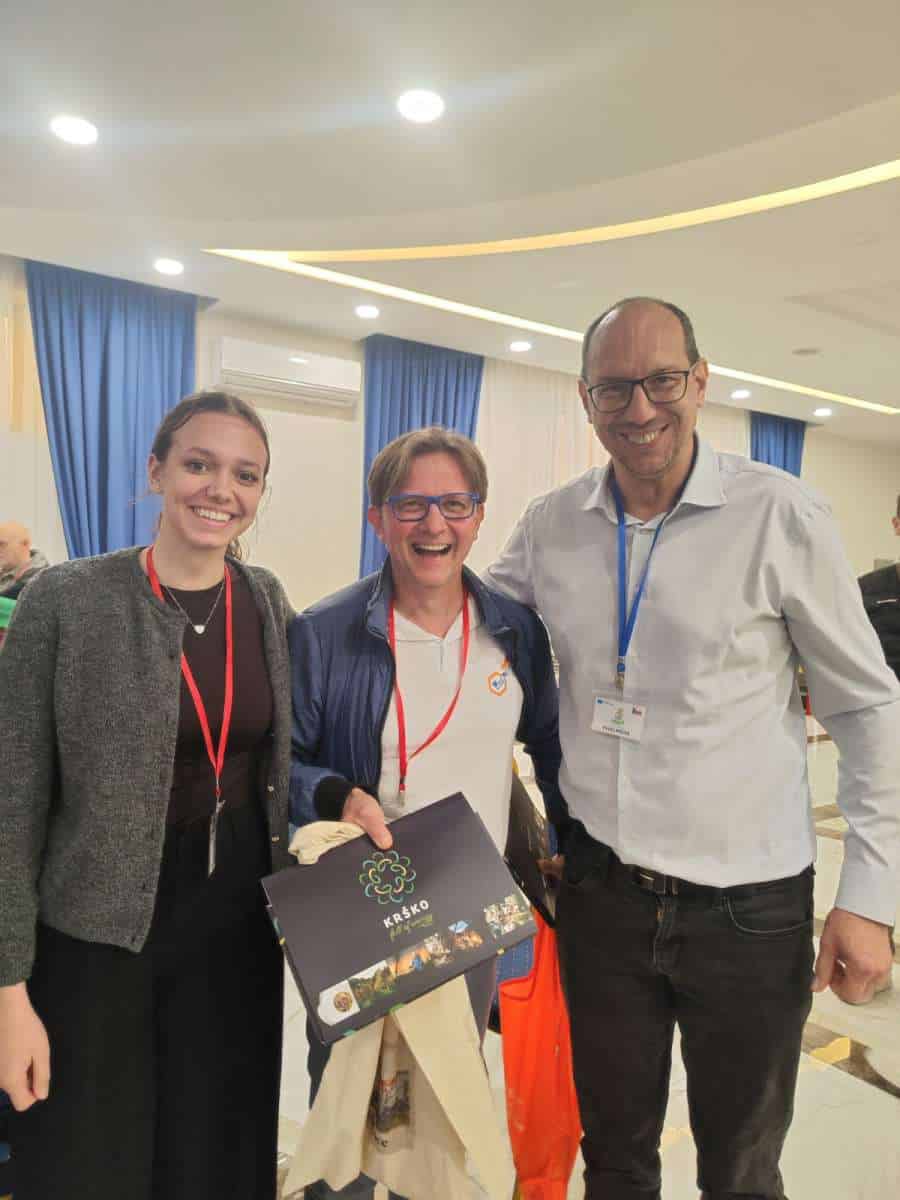
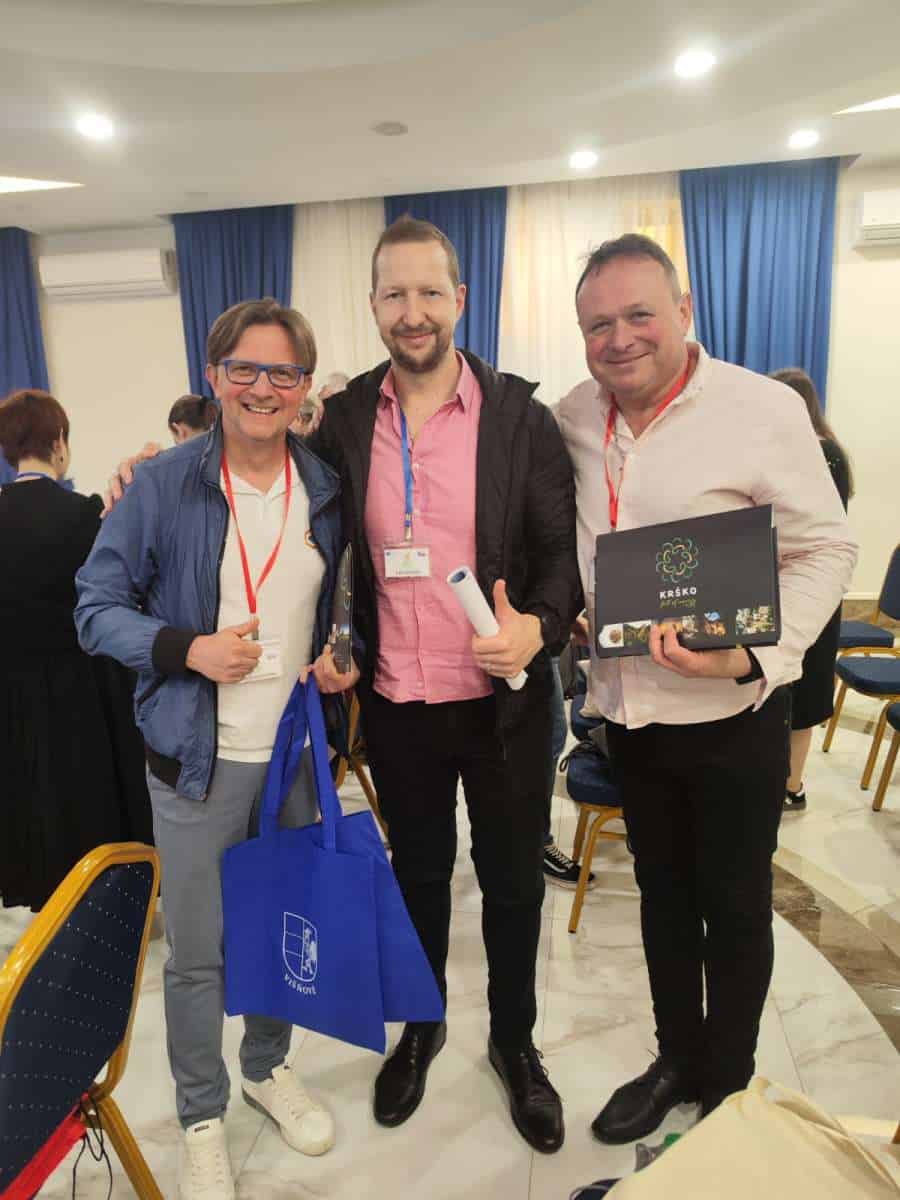
Drugo in zadnje mednarodno srečanje projekta RENEW (Reinforcing the European Network on Energies and reneWables) je uspešno potekalo v kraju Ta’ Kercem na otoku Gozo (Malta) od 24. do 27. marca 2026. Srečanje je zaznamovalo konec dinamične in vplivne poti sodelovanja med evropskimi skupnostmi.
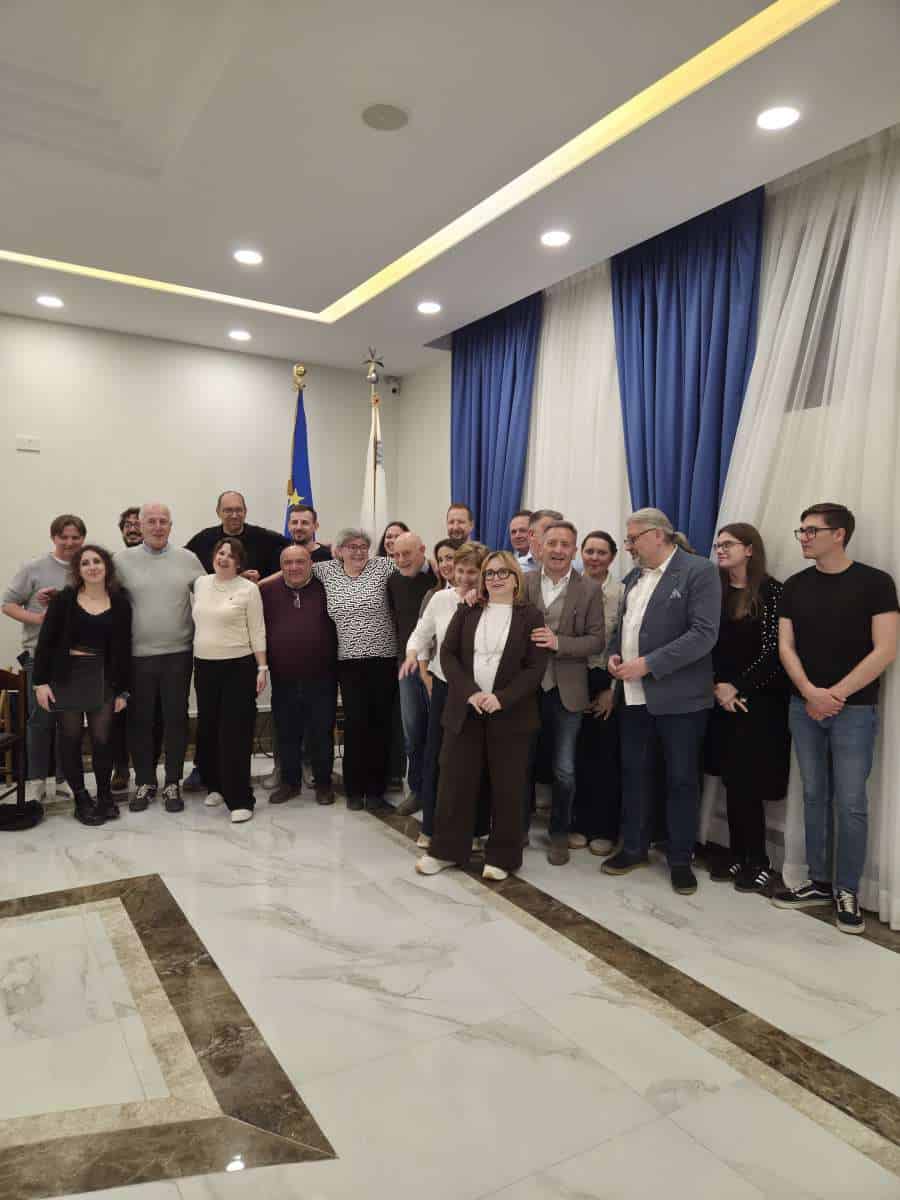
Po prvem dogodku v Jevišovicah (Češka) je malteško srečanje združilo projektne delegacije iz Italije, Češke, Madžarske, Litve, Slovenije in seveda Malte. Udeleženci – vključno z lokalnimi strokovnjaki, inženirji, predstavniki civilne družbe in državljani – so delili skupno navdušenje nad doseženimi rezultati in močnim sodelovanjem, ki se je stkalo skozi projekt.
Osrednja tema dogodka je bila:
“Prehod na obnovljive vire: pristop od spodaj navzgor za Evropo brez emisij”
Tema je izpostavila ključno vlogo lokalnih skupnosti in ukrepov, ki jih vodijo državljani, pri spodbujanju energetskega prehoda. Med konferencami in delavnicami so udeleženci izmenjali številne primere dobre prakse in lokalne izkušnje. Razprave so jasno poudarile, da se prave spremembe začnejo na lokalni ravni, kjer majhne skupnosti igrajo odločilno vlogo pri izvajanju in uspehu evropskih politik trajnostnega razvoja.
Pobude, ki so jih predstavili partnerji, so pokrivale širok nabor področij, vključno z:
- energetsko sanacijo občinskih stavb;
- razvojem mestne zelene infrastrukture z optimizacijo porabe energije in vključevanjem obnovljivih virov, zlasti v gozdnih okoljih;
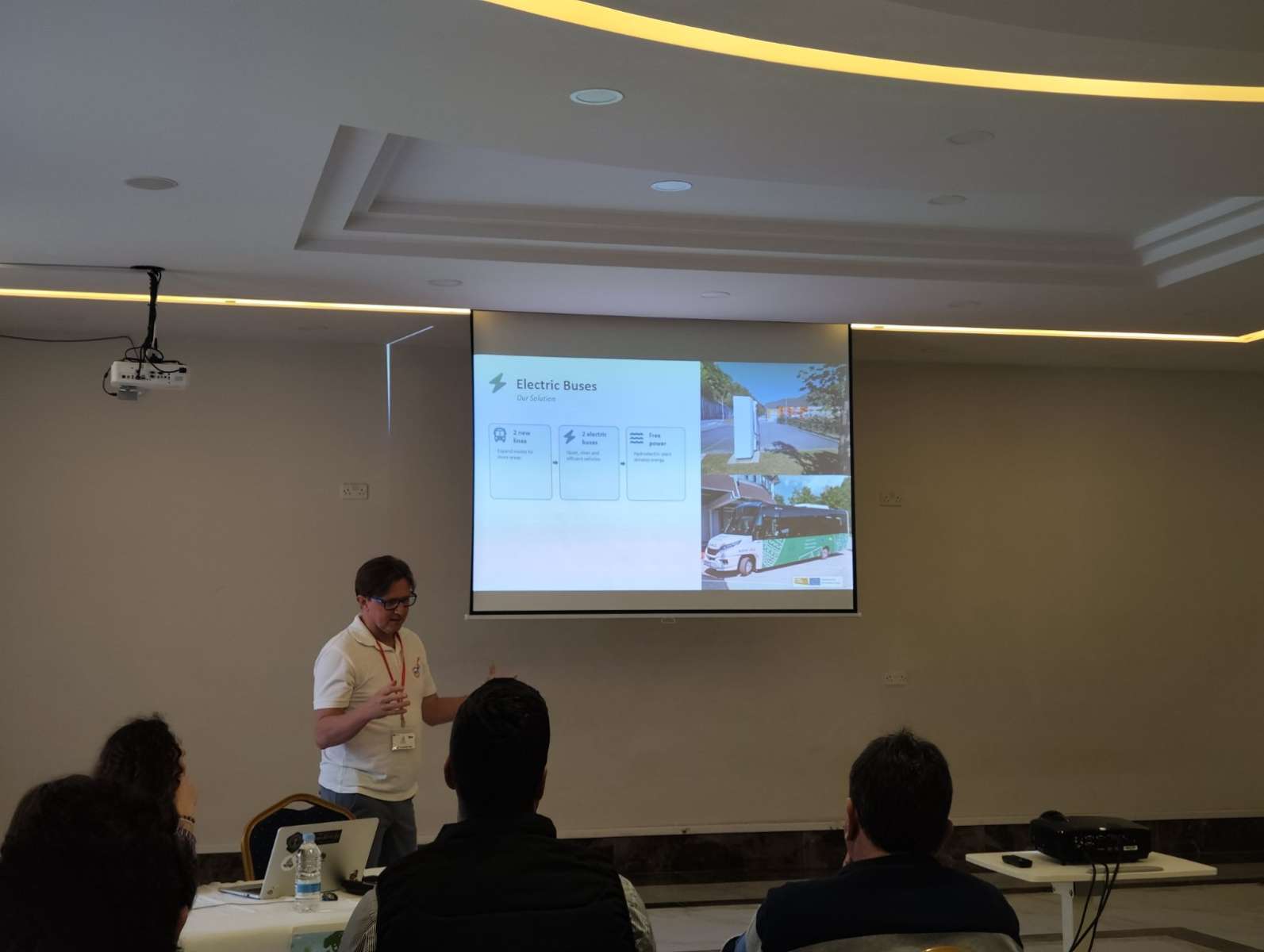
- rešitvami za trajnostno mestno mobilnost, vključno z električnimi avtobusi in zelenim prevozom;
- participativnim proračunom in javnimi posvetovanji kot orodji za vključujoče odločanje;
- skupnostnimi vrtovi in lokalnimi trajnostnimi pobudami;
- rešitvami za obnovljivo energijo, kot so sončni, vetrni in fotovoltaični sistemi;
- posodobitvami omrežij, shranjevanjem energije in inovacijami v energetski infrastrukturi;
- pobudami za ozaveščanje, kot je “Vikend odprte industrije”, ki državljanom omogoča boljše razumevanje proizvodnje in distribucije energije;
- poenostavljenimi pristopi k razumevanju in namestitvi lokalnih fotovoltaičnih sistemov.
Posebna pozornost je bila namenjena lokalnemu kontekstu Malte in Goza, ki se je izkazal za izjemno zanimivo študijo primera. Zaradi svoje velikosti lahko Gozo deluje kot “živi laboratorij” za energetski prehod, saj prikazuje, kako lahko lokalna proizvodnja, shranjevanje in učinkovitost prispevajo k odpornosti na ravni otoka.
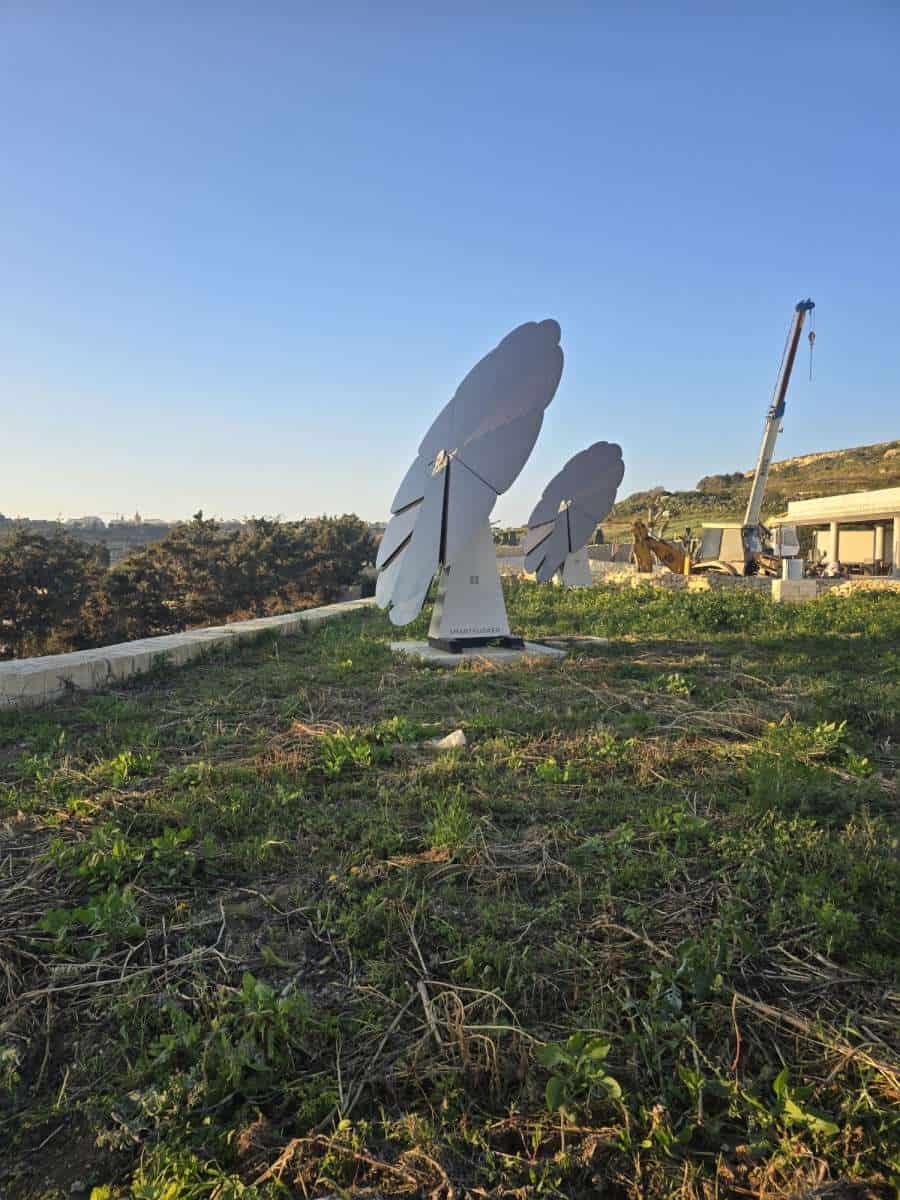
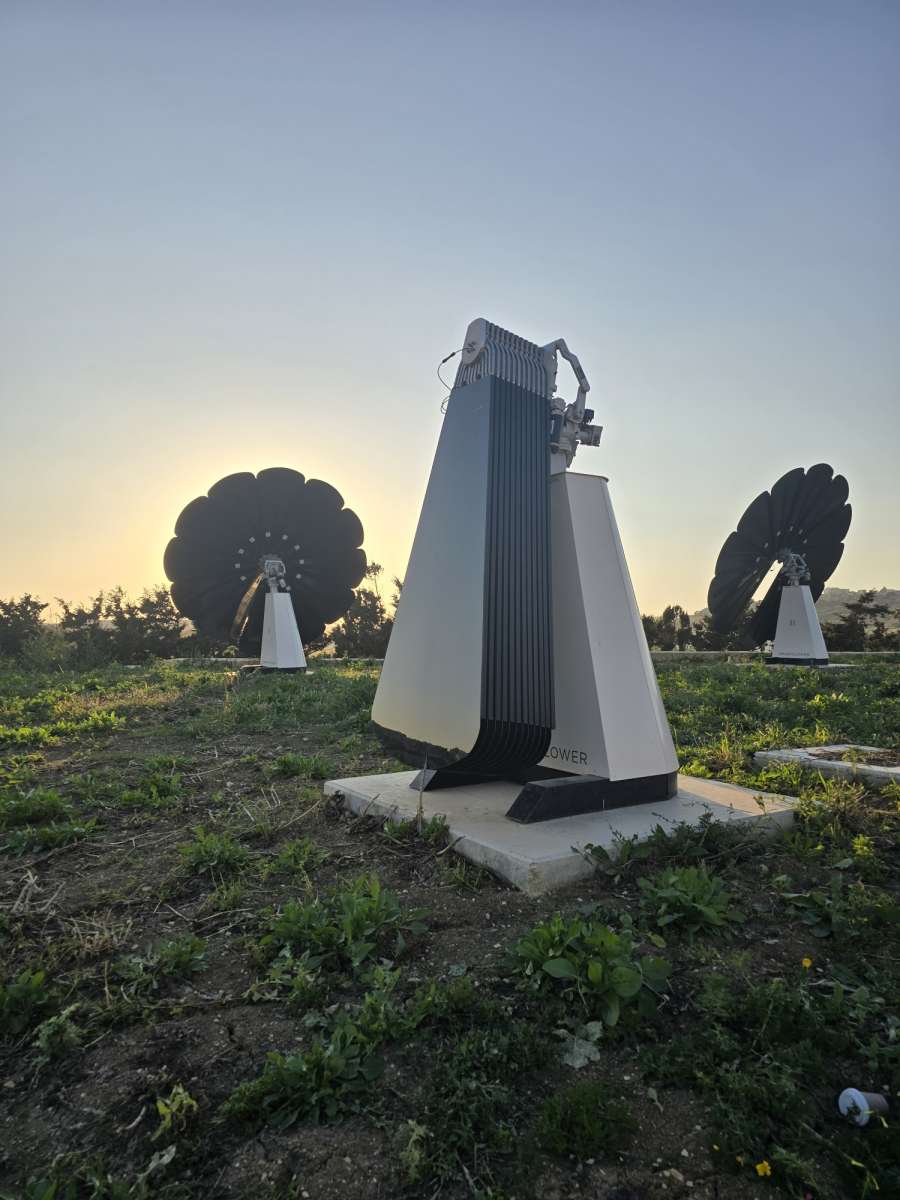
Program je vključeval tudi študijske obiske, kjer so udeleženci teorijo povezali s prakso. Obisk podjetja Magro Bros. v Xewkiji je pokazal, kako lahko tradicionalne panoge, kot je predelava paradižnika, vključijo naložbe v obnovljive vire. Udeleženci so si ogledali tudi inovativne rešitve, kot so “sončne rože” (Solar Flowers) v kraju Ta’ Xhajma, ter bogato kulturno in naravno dediščino Goza.
Ob koncu srečanja so vse delegacije izrazile veliko zadovoljstvo, saj projekt RENEW ni prinesel le novega znanja, temveč tudi močna partnerstva in prijateljstva. Zapuščina projekta ostaja jasna: aktivna in povezana mreža skupnosti, zavezanih obnovljivi energiji, demokratični participaciji in evropskim vrednotam. Ko so državljani opolnomočeni in vključeni, lahko resnično postanejo gonilna sila prehoda Evrope v zeleno in vključujočo prihodnost brez emisij.
RENEW project concludes in Malta: Citizens driving Europe’s energy transition from grassroots level
The second and final international meeting of RENEW (Reinforcing the European Network on Energies and reneWables) successfully took place in Ta’ Kercem, Gozo (Malta), from 24 to 27 March 2026, marking the conclusion of a dynamic and impactful journey of cooperation among European communities.
Following the first event held in Jevišovice (CZ), the Maltese meeting brought together project delegations from Italy, Czech Republic, Hungary, Lithuania, Slovenia and Malta, of course. Participants – including local administrators, experts, engineers, civil society representatives and citizens – shared a common enthusiasm for the results achieved and the strong collaboration built throughout the project.
The event focused on the theme:
“Transition to Renewables: a bottom-up approach for an emission-free Europe”, highlighting the crucial role of local communities and citizen-led action in driving the energy transition.
During the conference and workshop sessions, participants exchanged a wide range of best practices and local experiences related to clean energy transition. The discussions clearly emphasized that real change starts at local level, with small communities playing a decisive role in contributing to the implementation and success of European sustainability policies.
The initiatives presented by the partners covered a broad spectrum of topics, including:
- energy efficiency upgrades for municipal buildings;
- development of urban green infrastructure, with a focus on optimizing energy use and integrating renewable sources, particularly in forest environments;
- sustainable urban mobility solutions, including electric buses and green transport powered by renewable energy;
- participatory budgeting and public consultations as tools for inclusive decision-making;
- community gardens and local sustainability initiatives;
- renewable energy solutions such as solar, wind and photovoltaic systems;
- grid upgrades, energy storage, and innovation in energy infrastructure;
- awareness-raising initiatives such as the “Open Industry Weekend”, allowing citizens to better understand energy production and distribution;
- simplified approaches to understanding and implementing local photovoltaic systems.
Special attention was also given to the local context of Malta and Gozo, which emerged as a particularly interesting case study. Thanks to its size, Gozo can act as a living laboratory for energy transition, demonstrating how local generation, storage, and efficiency can contribute to island-scale resilience. Discussions highlighted the need for increased clean energy production, greater system flexibility, and stronger integration of renewable sources, including opportunities for EU funding in sectors such as agriculture.
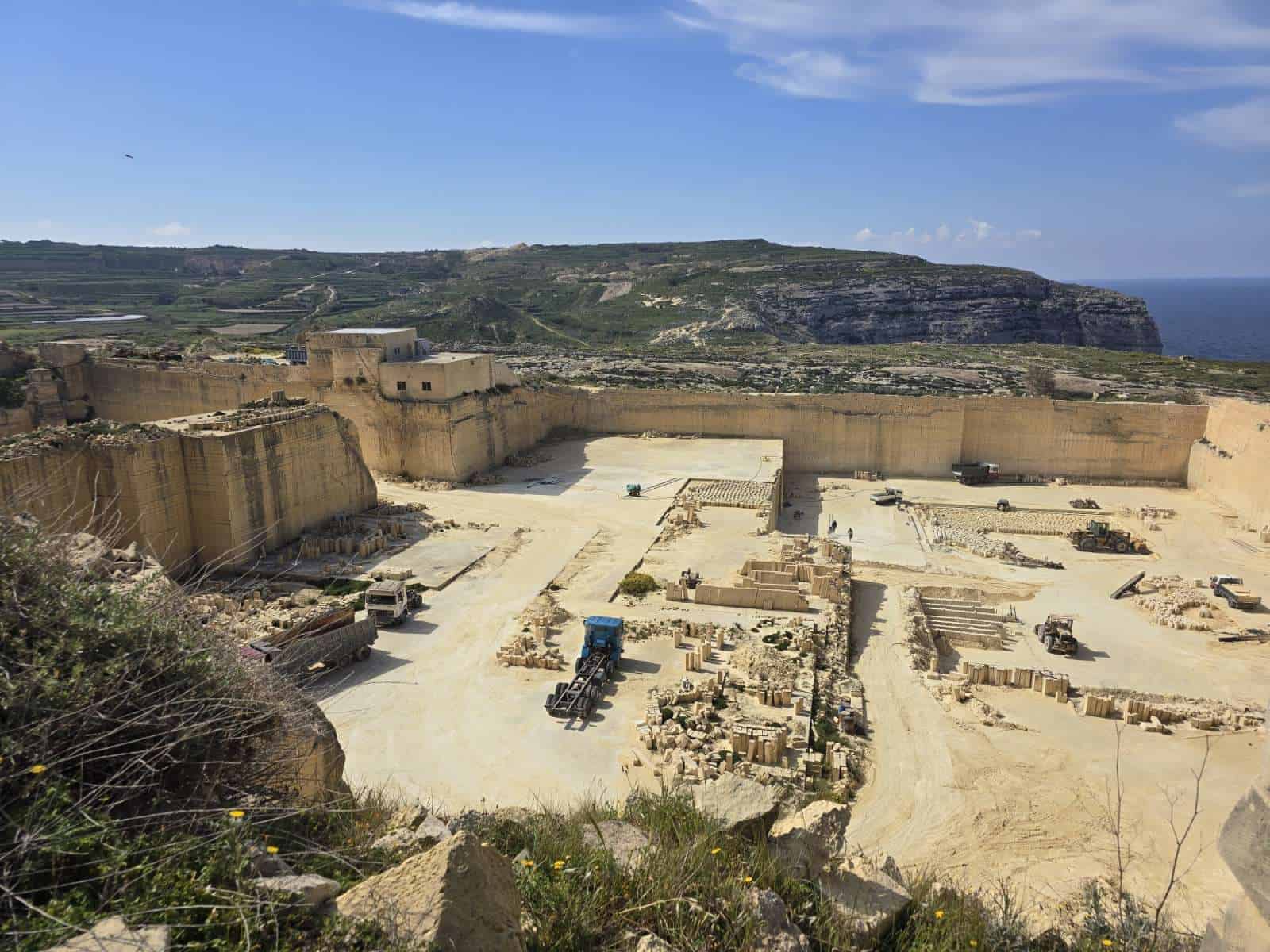
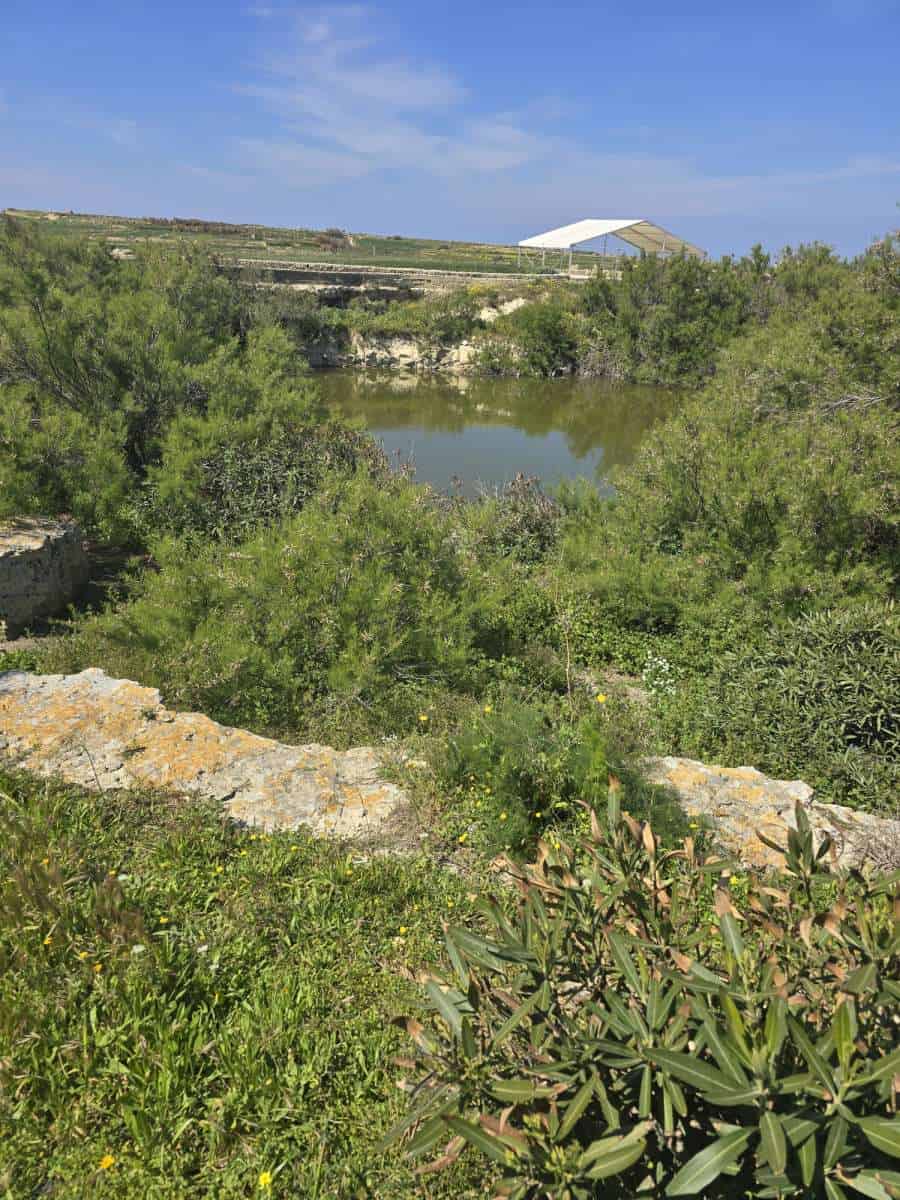
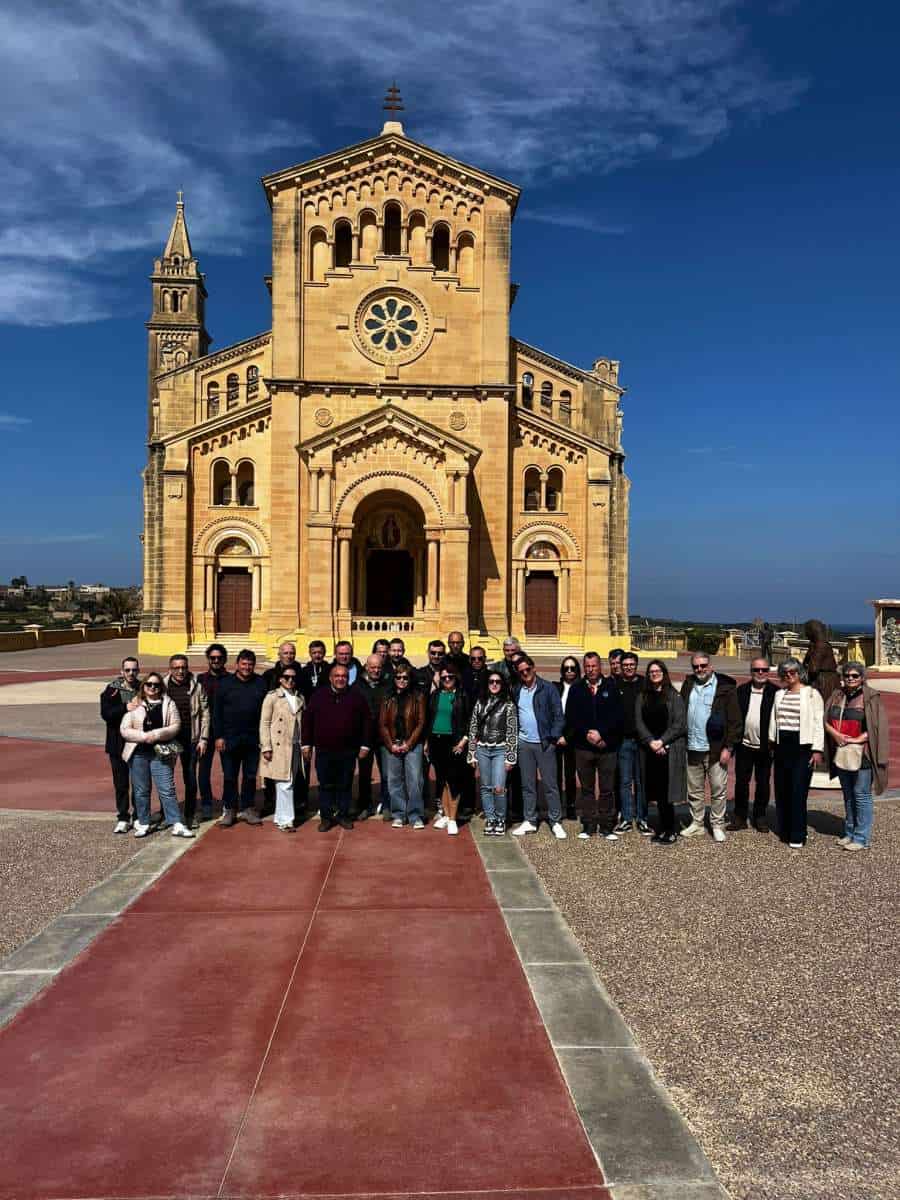
The programme also included several study visits and field activities, allowing participants to connect theory with practice. Among these, the visit to Magro Bros. Company in Xewkija showcased how traditional industries such as tomato processing can integrate renewable energy investments. Participants also explored innovative solutions like the Ta’ Xhajma Solar Flowers, as well as the rich cultural and natural heritage of Gozo, including the Ġgantija Temples, Dwejra Bay, the Salt Pans, the Cittadella in Rabat, and the Ta’ Pinu Sanctuary.
These experiences reinforced the idea that sustainability, culture, and community are deeply interconnected, and that the energy transition can be both a technological and a social process.
Throughout the event, contributions from engineers, experts, local authorities, and citizens enriched the discussions, creating a truly inclusive and multidisciplinary dialogue.
At the end of the meeting, all delegations expressed great satisfaction with the project, highlighting not only the knowledge gained but also the strong partnerships and friendships built along the way. RENEW has shown that cooperation across borders and sectors is essential to address common European challenges.
As the project comes to a close, its legacy remains clear: an active and connected network of communities committed to renewable energy, democratic participation, and European values. When citizens are empowered and involved, they can truly become the driving force behind Europe’s transition towards a greener, more inclusive, and emission-free future.